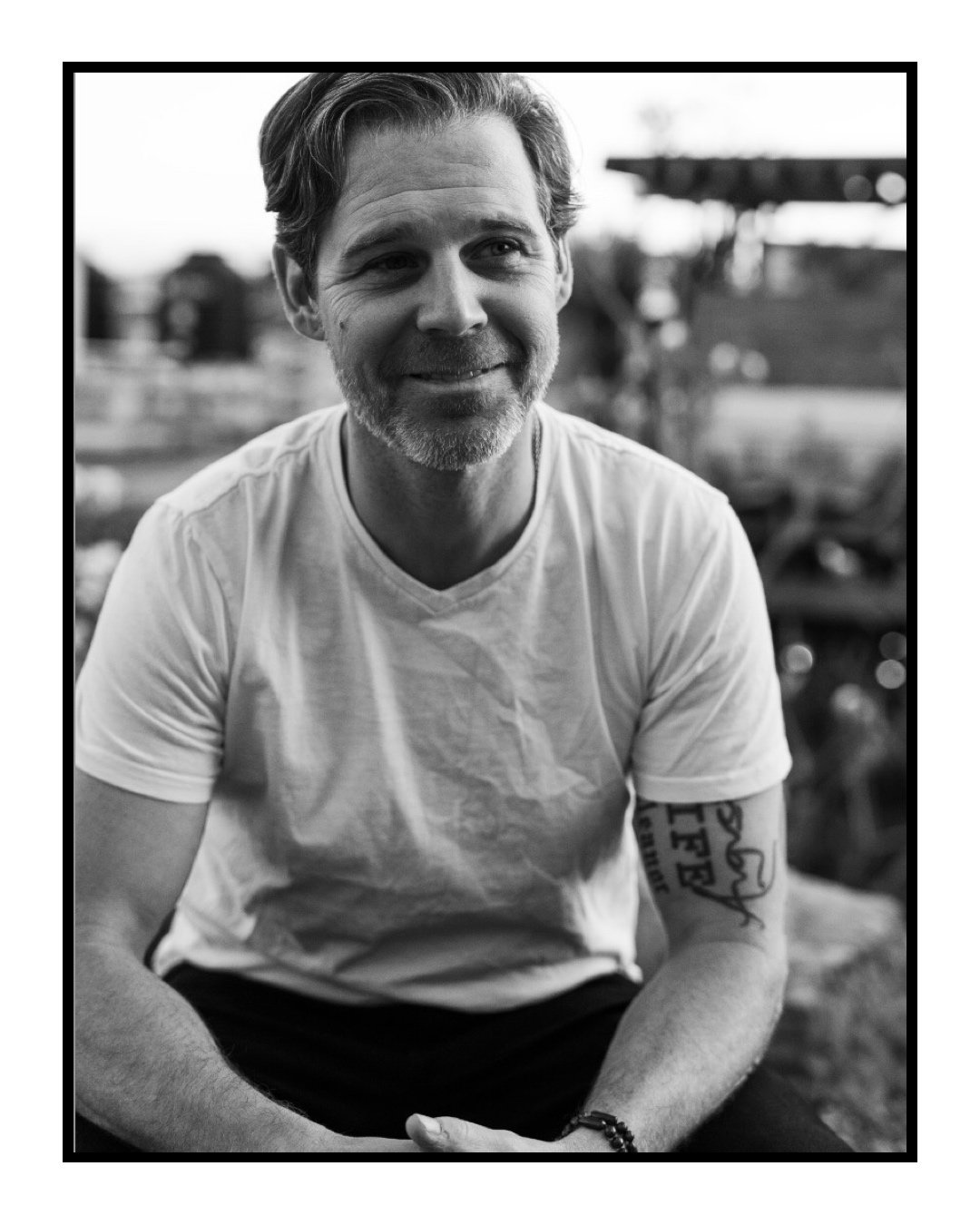
About Matthew
Matthew Larsen is a historian, archaeologist, and filmmaker dedicated to bringing the ancient world—and the origins of Christianity—into vivid focus for modern audiences. He is the founder of August Media Company, a company specializing in historically grounded, cinematic storytelling across film, podcasts, and immersive visual media, and lived experiences.
Associate Professor in Religious Studies and Classics; Fellow of the Gwyn Shive, Anita Nordan Lindsay, and Joe & Cherry Gray Professorship in the History of Christianity at the University of Texas at Austin, Matthew’s research centers on the lived experience of the first Christians: how they organized communities, navigated persecution, and understood faith within the Roman world. His work challenges popular myths while remaining accessible, visually ambitious, and grounded in cutting-edge historical and archaeological scholarship.
Before Copenhagen, Matthew taught at Yale University (2017–2018) and Princeton University (2018–2021). He is the co-author of Ancient Mediterranean Incarceration (University of California Press), named by The New Yorker as one of the best books of 2025, and the award-winning Gospels before the Book (Oxford, 2018), translated into Italian.
Matthew’s research and storytelling have been featured in The New Yorker, Qava.tv,Smithsonian Magazine, Newsweek, Popular Mechanics, Live Science, and The Daily Beast. He also leads innovative digital reconstructions of ancient sites, including immersive 3D environments that allow audiences to experience the physical spaces of early Christianity in unprecedented detail.
Bridging rigorous scholarship and cinematic media, Matthew brings a public-facing, evidence-driven approach to ancient history—helping to shape a new genre of Christian storytelling that is intellectually credible, visually striking, and culturally resonant. Formed in an evangelical home and ordained in the Episcopal Church in 2013, his faith and scholarship have been marked by a long commitment to historical truth, ecclesial continuity, and beauty. On Easter 2026, Matthew, his wife Lauren, and their four children were received into the Roman Catholic Church. His work and life alike are shaped by a conviction that truth, suffering, and beauty are inseparable, and that history, faithfully told, can still illuminate the deepest questions of the present.
